
Food & Beverage
0
Bars & Nightlife
0
Museums & Sightseeing
0
Accommodation
0
Shopping
0
Arts & Culture
0
Activities by the Sea
0
Outdoor Activities
0
Entertainment
0
Health & Wellness
0Panathenaic Stadium
The Olympic Haven

Expert Tips
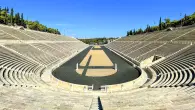
Climb to the top marble rows for panoramic city views then walk the track to appreciate the scale of the stadium.
Overview
The Panathenaic Stadium, also called Kallimarmaro Stadium, is a historic gem nestled in Athens, Greece. Originally built in the 4th century BC, it underwent a lavish reconstruction in marble by the Roman senator Herodes Atticus in 144 AD. This transformation turned it into the splendid marble marvel we see today. Over the centuries, it has been a witness to numerous athletic contests and cultural events. This stadium holds particular significance in the context of the Olympic Games. It was the venue for the first modern Olympics in 1896, a pivotal moment that reignited the Olympic flame after centuries of dormancy. Its ancient aura, coupled with modern significance, makes it a symbol of the timeless spirit of athleticism and human achievement. Today, visitors flock to this historic site to immerse themselves in its rich history and bask in the legacy of the Olympic Games.
What’s the story
Originally constructed around 330 BCE by the statesman Lycurgus as a venue for the Panathenaic Games, this ancient racecourse was later transformed into a magnificent marble horseshoe by Herodes Atticus in the 2nd century CE, expanding its capacity to around 50,000 spectators.
After centuries of neglect, it was reconstructed using Pentelic marble funded by philanthropist George Averoff, to host the first modern Olympic Games in 1896, where it seated up to 80,000 spectators, including during the marathon’s dramatic finish and the opening and closing ceremonies.
Why it’s important
It’s the only stadium in the world built entirely of marble, and it stands as a living bridge between antiquity and modern sports. It continues to be a ceremonial stage for the Olympic flame handovers and serves as the finish line of the iconic Athens Marathon.
Must-see highlight
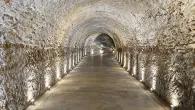
Descend into the diodos, the historic underground passage that athletes used in antiquity to enter the stadium, still intact, evocative and deeply atmospheric.
Atmosphere
Majestic and resonant with history—walking its white marble tiers feels like stepping into the soul of both ancient Athenian pride and modern Olympic revival.
Opening Hours & Access
Open daily 8:00–19:00. General admission is around €5 for adults. Entry is free for visitors with disabilities plus one companion.
Accessibility
Wheelchair users can access the field and stands via level entrances and ramps. Accessible toilets are available nearby for a small fee. Water and sun protection are recommended on hot days.
Nearby suggestions
After your visit, stroll into the National Gardens next door or head to the nearby Zappeion for a tranquil break.
Expert Tip
Visit early morning or late afternoon when the marble is cooler and the light is gentle. If timing allows, put on comfortable running shoes and experience the surreal thrill of jogging its historic track!